
Small Steps, Big Foundations
How we shape the earliest years of your child’s learning journey – right here in Maihar, without sending them anywhere else.
There are many decisions to make as a parent and the choice of school for your child is certainly one of them, especially when it comes to choosing a preschool school. However, things have become easy in Maihar for those parents since Bright Global School believes in just one thing – the years prior to Class 1 should not be treated as a ‘waiting period’ but should actually be considered as “the real school”
As The Best Nursery School in Maihar, we appreciate the fact that each child progresses at his/her own pace. For this reason, we design our classrooms to be a relaxing atmosphere that is not stressful or driven by examinations but rather focuses on comfort, discovery, and fun.
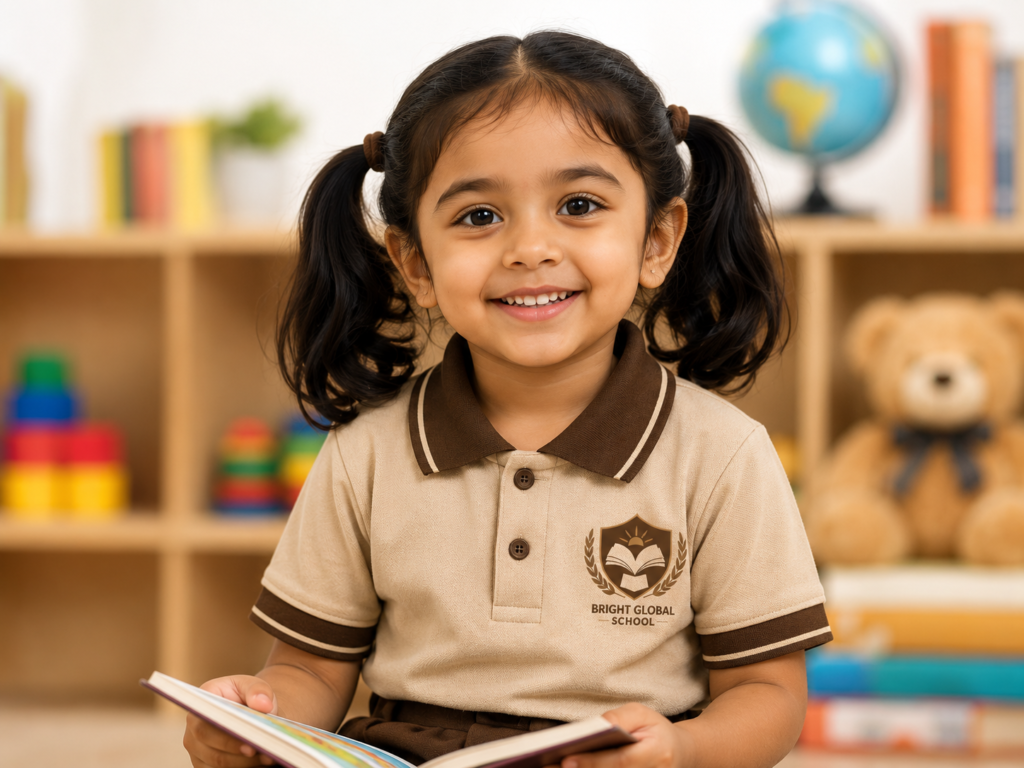
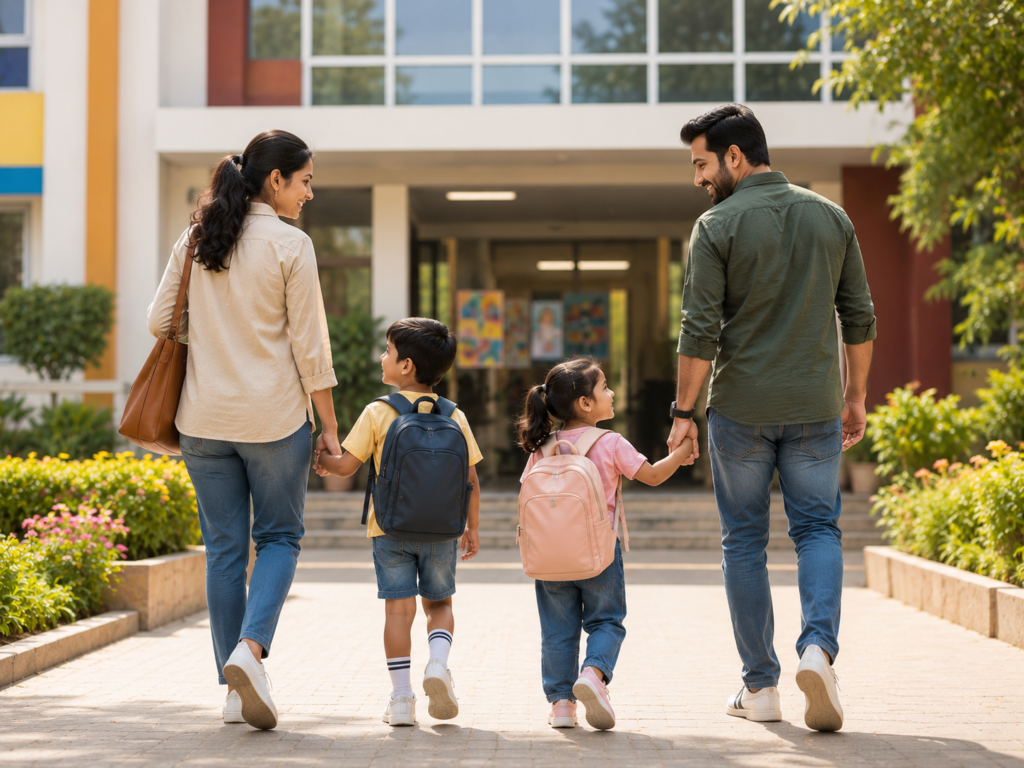
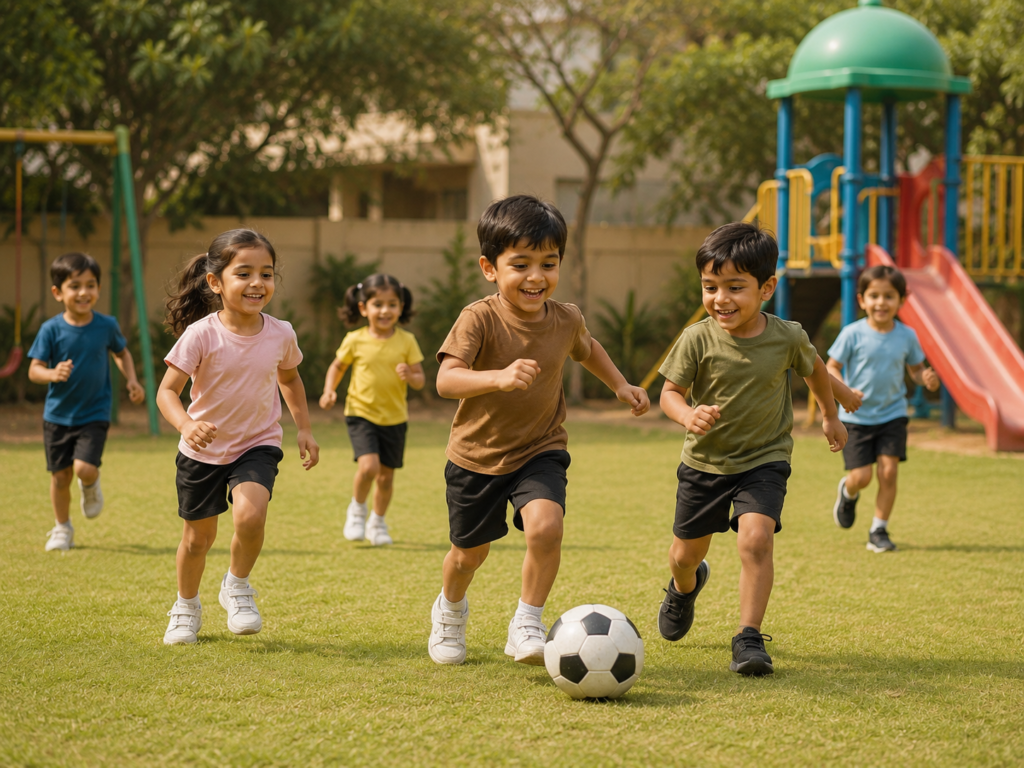
Play School
Age 1.5 – 2.5 years
A Soft Start to Education
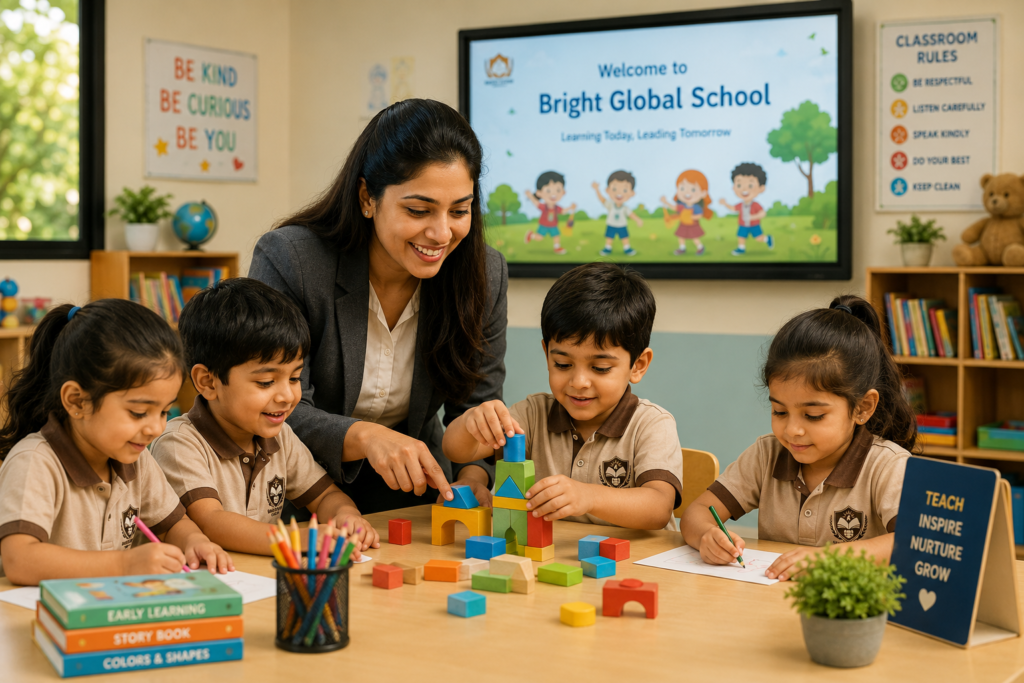
Our Play School for children aged 1.5 to 2.5 years focuses on only one thing: ensuring the experience of school life is just like that of their homes. We don’t test the kids here; we only expect them to be cheerful and curious about learning at the end of each school day.
Sensory play. Storytelling. Rhymes & music. Motor skill building. Social comfort.
Nursery
Age 2.5 – 3.5 years
The Place Where All Questions Start
At ages ranging from 2.5 to 3.5, children begin to ask many questions – and we cherish each and every one of them. It is at this age that language development picks up pace dramatically. Our teachers teach our kids the alphabet, numbers, and colors in the form of games, and not by drilling them in anything. Looking for a real Play School Satna District? Look no further because Bright Global School is your answer in Maihar.
Language skills. Pre-writing. Number awareness. Art & craft. Peer interaction.
“A child who actually looks forward to school – that is the real head start.”
The belief that shapes everything we do here
LKG and UKG
Age 3.5 – 4.5 years
Developing True Confidence
This is where the fun begins. Our LKG-UKG Admission Maihar initiative ensures that the transition from play-based learning to more structure is seamless – while ensuring that there is no loss of fun in the process.
LKG children (aged between 3.5 years and 4.5 years) learn writing letters, counting, and taking part in show and tell activities that instill genuine self-confidence. On reaching UKG stage (between 4.5 years and 5.5 years), children start reading simple words, manipulating basic numbers, obeying instructions on their own, and, most important of all, dealing with minor setbacks without succumbing to defeat. All these are the very skills that help lay the groundwork for class 1.
Letter writing. Counting & patterns. Show & tell. Group tasks. Daily routine
Our Teaching Methodology
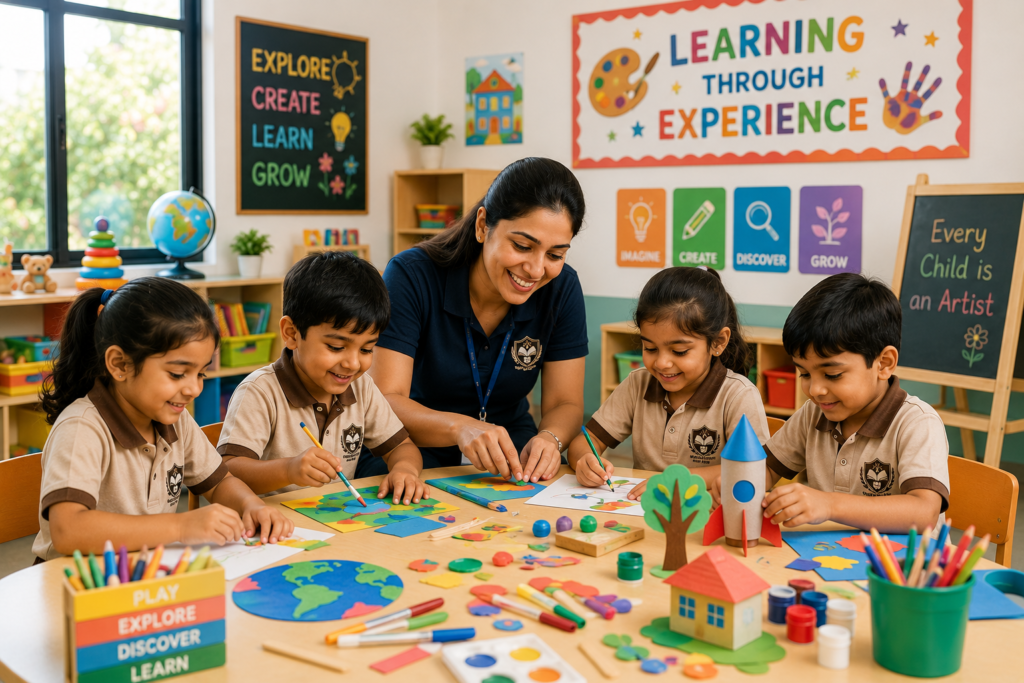
Activity-based learning
Every concept is learned through activities, not lectures alone
Play-way method
Lessons in which students play, for that is the way children learn best
Observation-led teaching
Instructors observe the student individually before imparting instructions
Creative expression
Incorporation of art, music, and dance in learning
Social-emotional learning
Instilling empathy and resilience along with academics
Modern teaching values
We prepare children for a world that rewards curiosity and character
Why Parents in Maihar and Satna Opt for Bright Global School
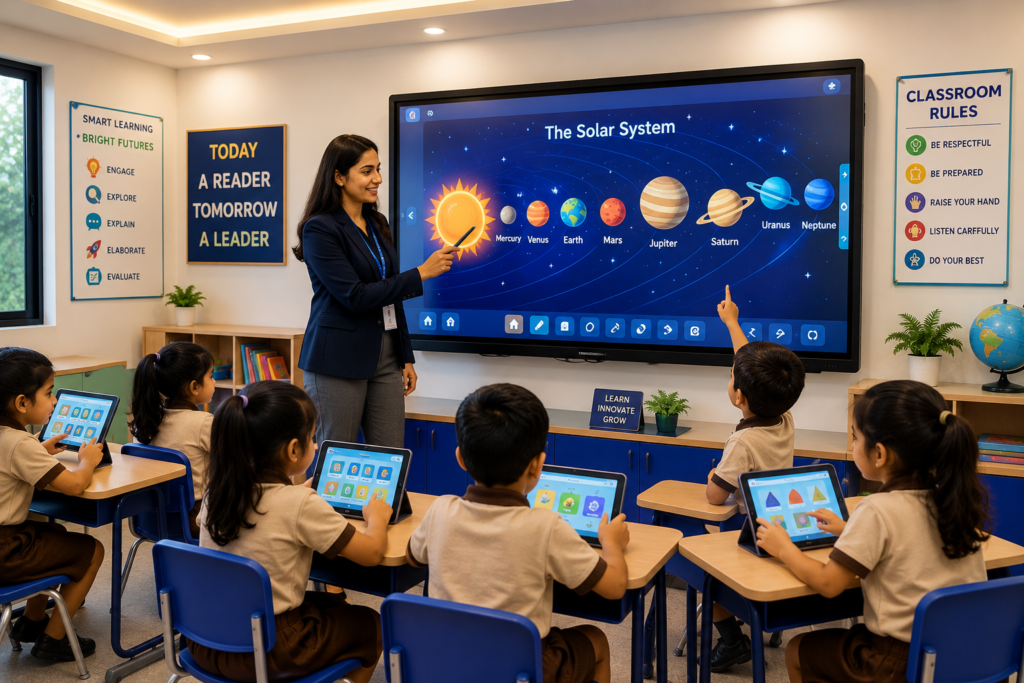
Parents need no longer go to larger cities for a quality early childhood education for their kids. Being the Best Nursery School in Maihar and well known amongst families seeking quality Play School Satna District, Bright Global School provides state-of-the-art early childhood education right at their doorstep.
In case you are planning ahead of time, then the LKG – UKG Admission process of Maihar from our school is going to be easy and transparent for the parents and kids alike. This is because the seats are very few each year, which is why it is advised that you register early for admission.
We are starting classes in July, and the admissions are currently underway. In fact, we would love to have you over. We can show you our classrooms and our teachers and give you a taste of what makes us the right choice for your kids’ learning process.